The journey into Latvia went through dense forests. Nearly half the country is forested. A popular pastime is foraging for mushrooms and wild berries. After a brief stop at a sea buckthorn farm, our group arrived in Riga.
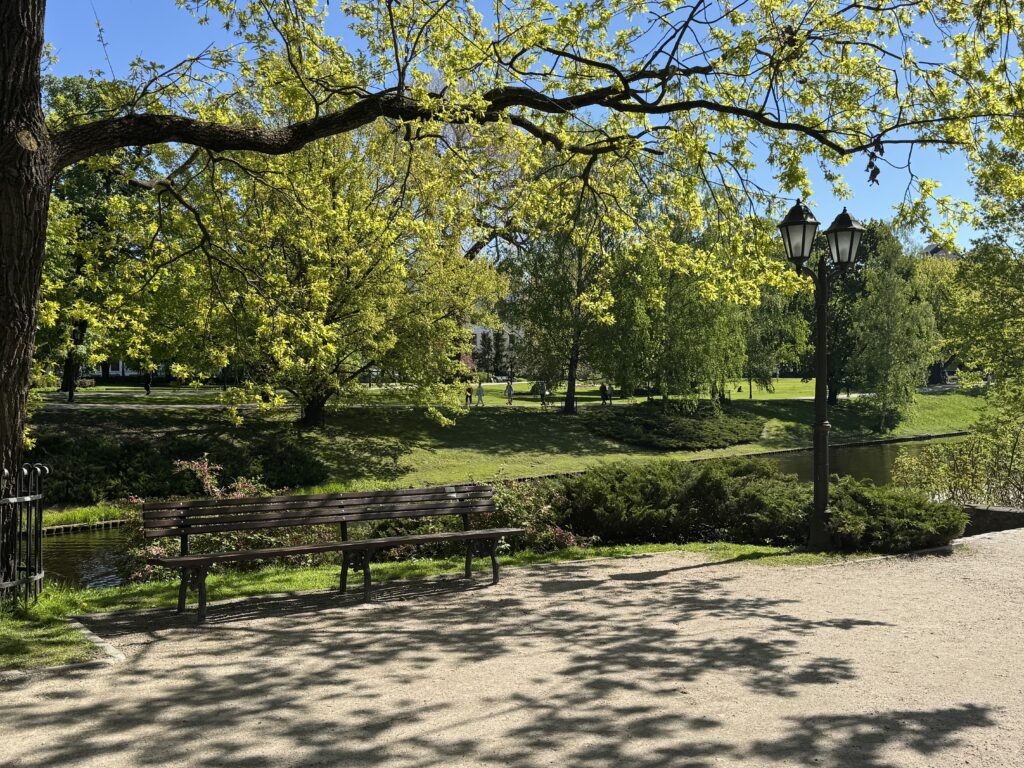
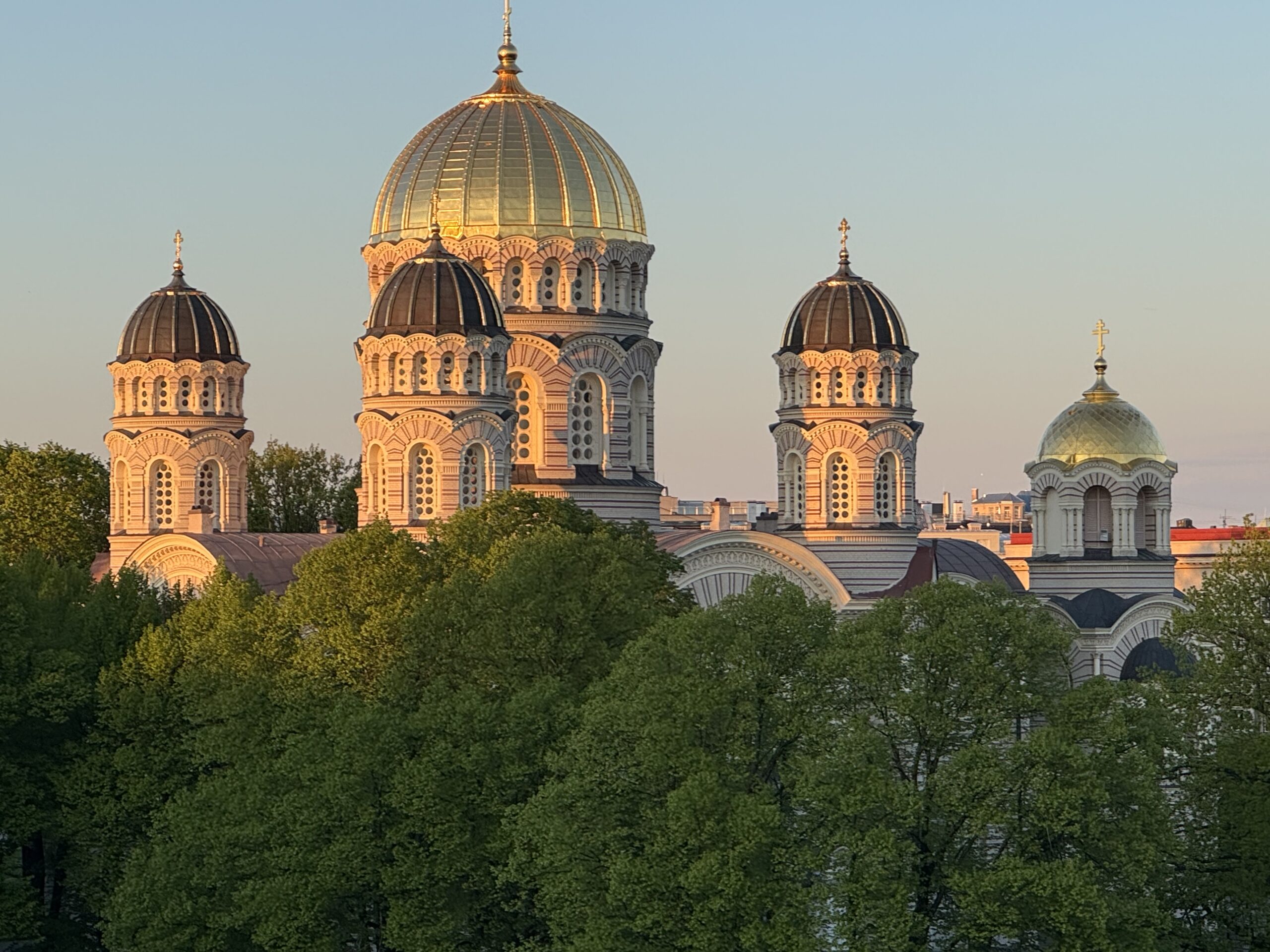
The capital city, Riga, is beautifully designed. There are numerous greenways and parks. Orthodox domes and church spires peak out above the ancient oak and linden trees. There’s a wonderful array of flowering crab trees as well as birch and fir trees along the canal.
Riga has suffered from invasion and occupation since its founding in 1201. Riga was part of the Hanseatic League, which brought many Baltic Germans to the area. It was part of the Swedish empire until the Great Northern War.
Peter the Great laid siege to the city devastating the population (1710). Riga was Tsarist Russia’s first seaport and eventually became its fifth most populous city in the early 1900’s. Russian aristocrats and industrialists moved to the city further adding the multicultural feel of the city.
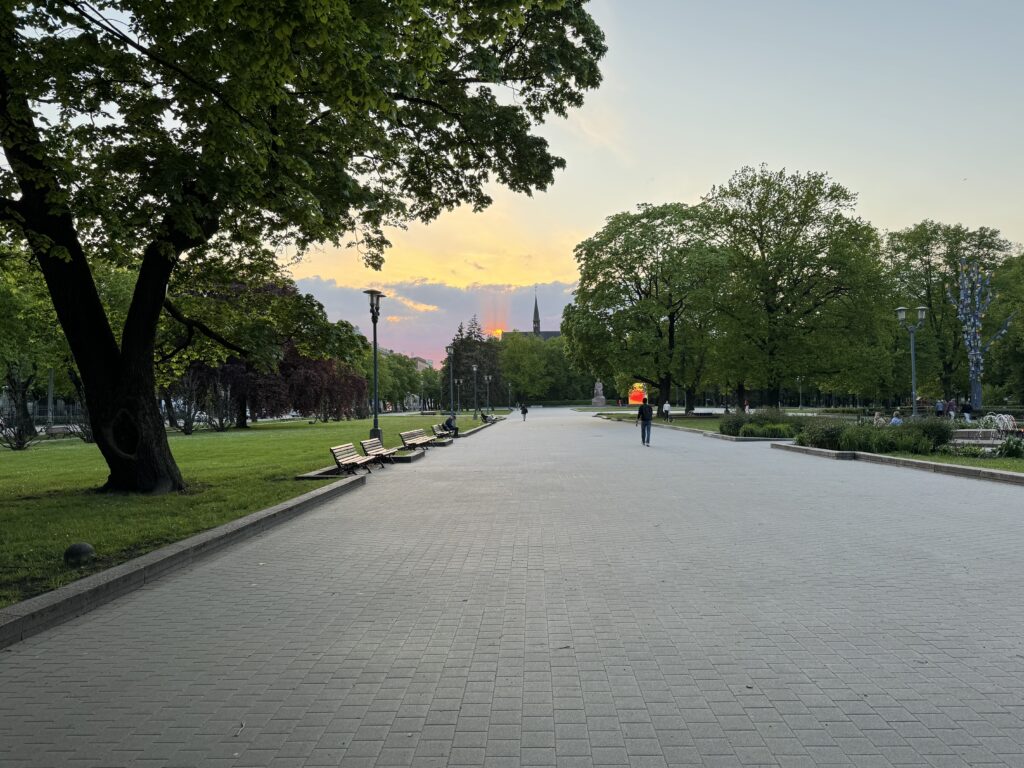
In the mid 1800 the walls and gates of the old city were removed. A large expanse of land was left along the old canal to act as a potential fire break. This area matured into a beautiful series of gardens, parks and tree lined boulevards.
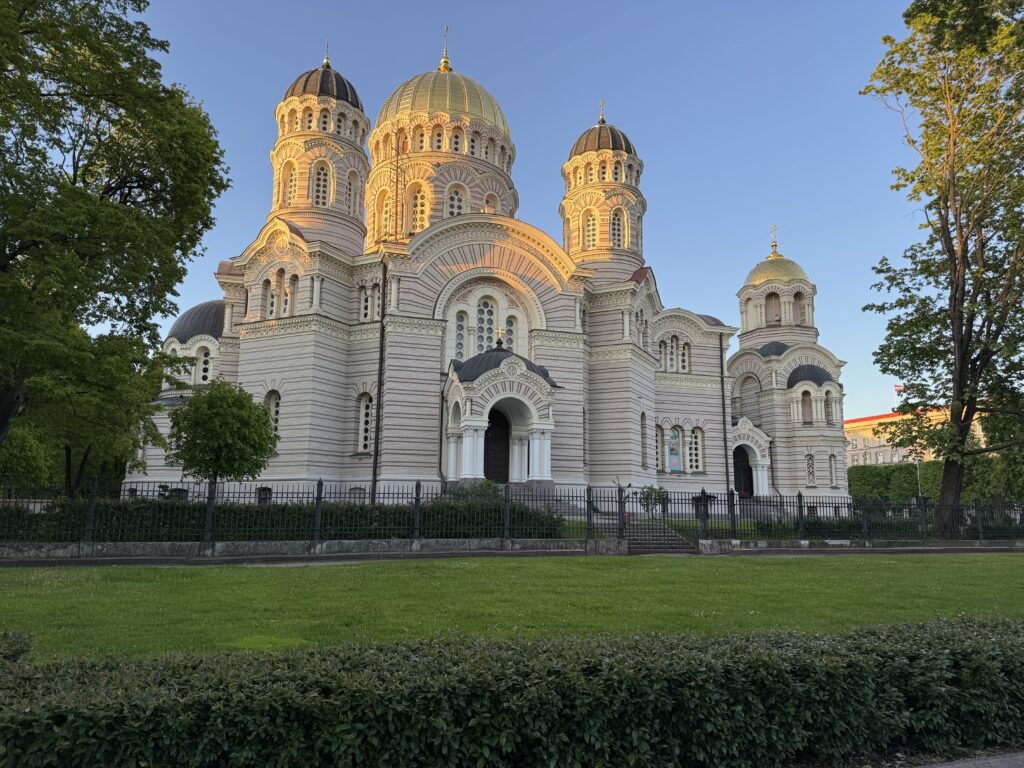
Between 1897 and 1913, the city grew by nearly 100% reaching a population of 530,000. The city expanded well beyond the green belt surrounding medieval old town.
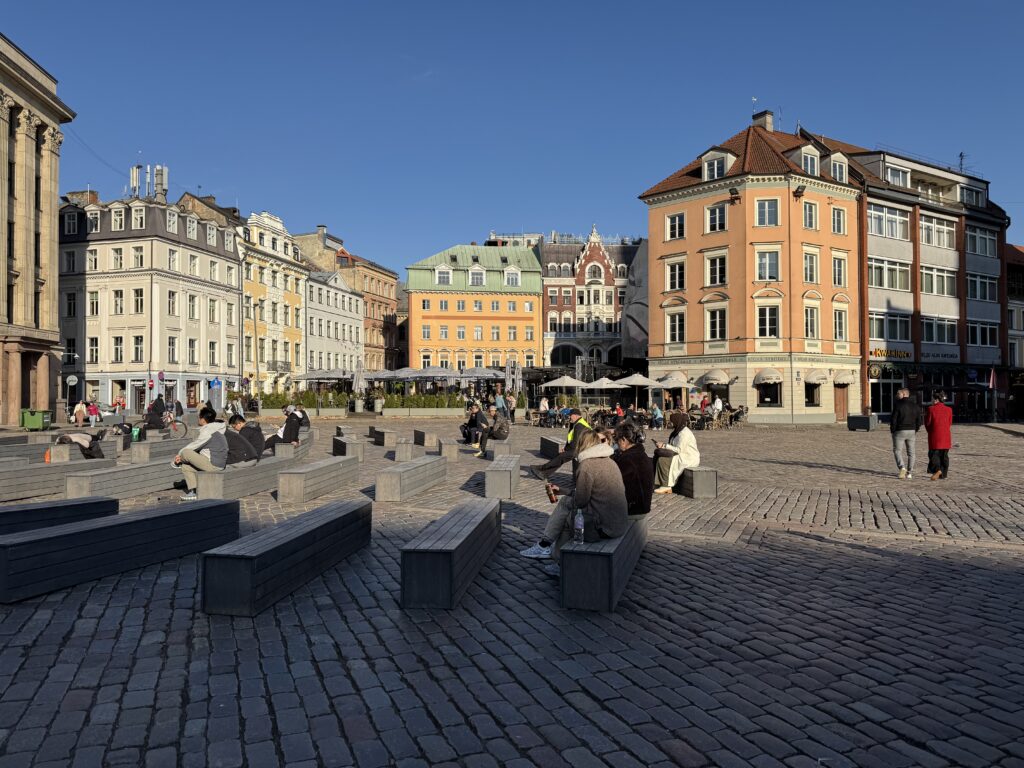
The expanding city was built along a grid pattern. There were strict building regulations, hence there’s a lovely conformity of height but a dizzying array of building facades.
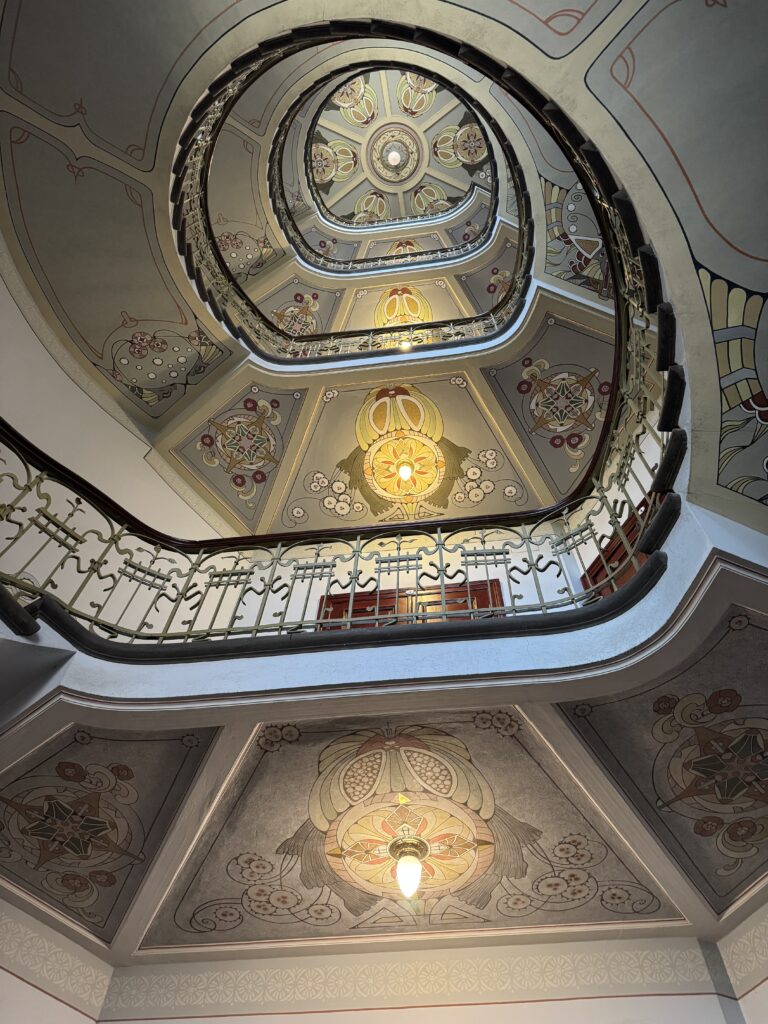
Between 1910 and 1913, 300 to 500 new buildings were built every year, mostly in the Art Nouveau style, and most of them outside the old town. If you like the whimsy and flourishes of art deco, you’ll love Riga.
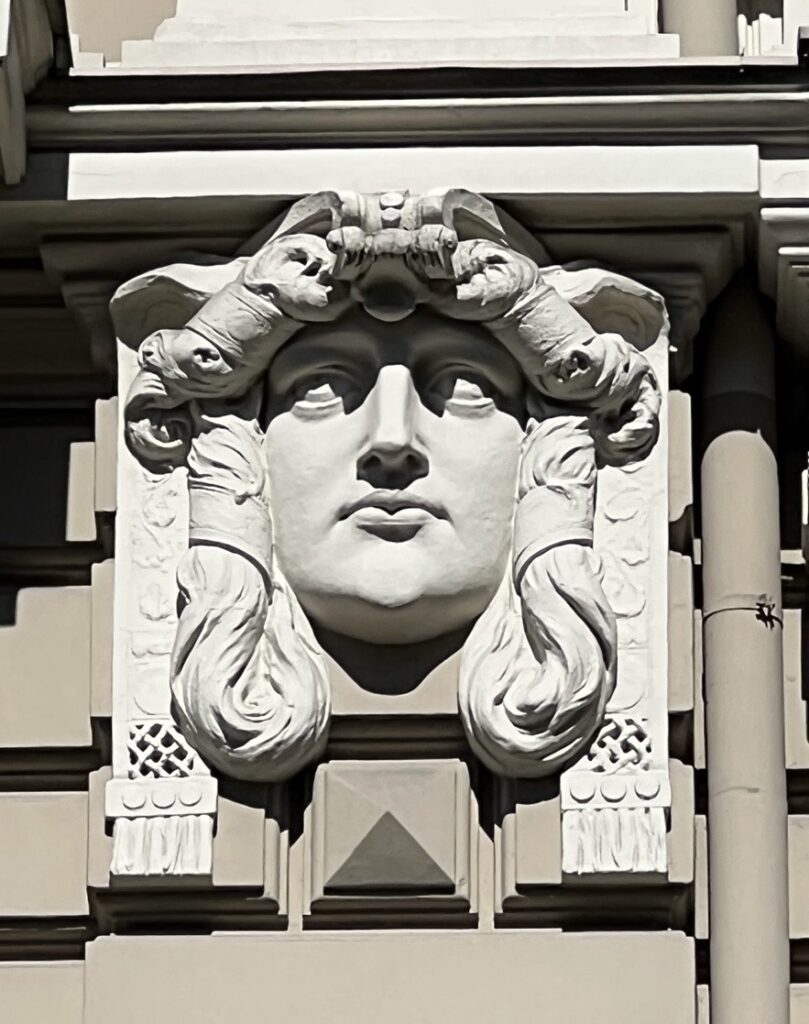
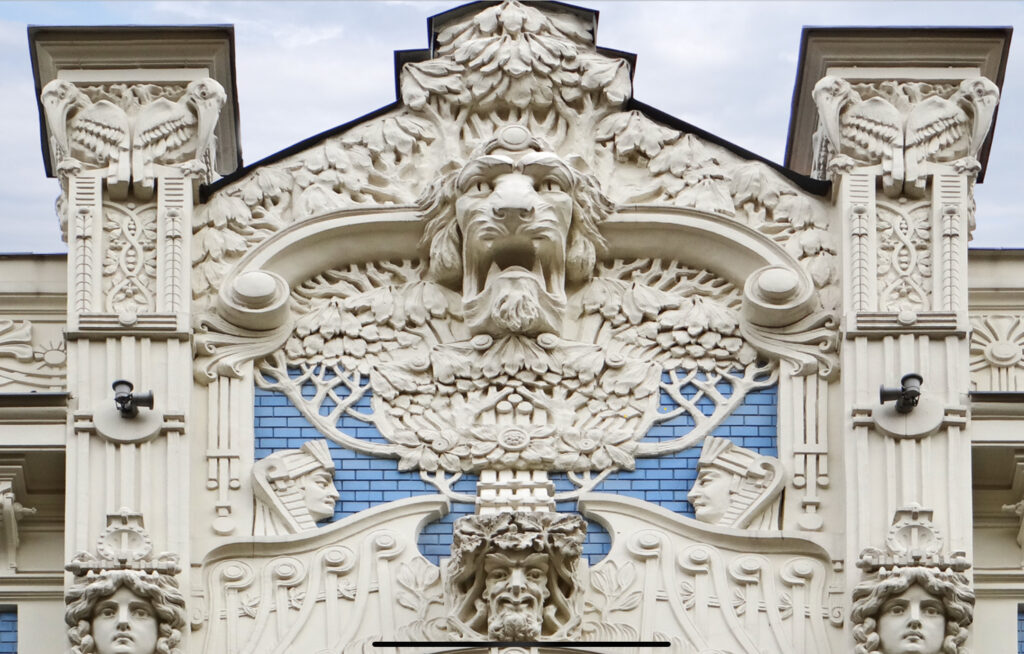
There are several different Art Deco styles in the city, developed by Russian, German and Latvian architects. I enjoyed them all!
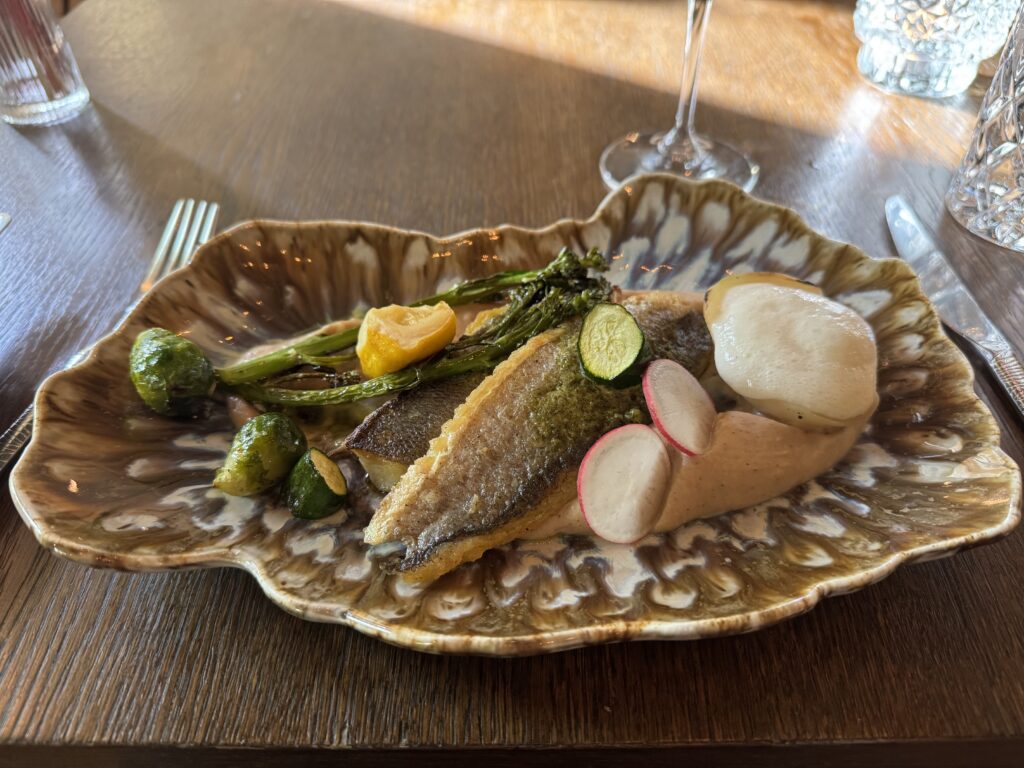
I also had the opportunity to eat at an incredible restaurant, Forest. The food, presentation and flavors were extraordinary. I’m going to try and duplicate their interpretation of beef stroganoff when I return next month.
The Latvians have a strong musical heritage. On my last night in Riga, I attended the graduation performance of four new conductors, all were female. The chorale and symphonic arrangements ranged from folk to symphonic to an unusually, almost otherworldly composition. Though I didn’t understand the Latvian lyrics, I was moved by the sound and the emotion conveyed in the music.
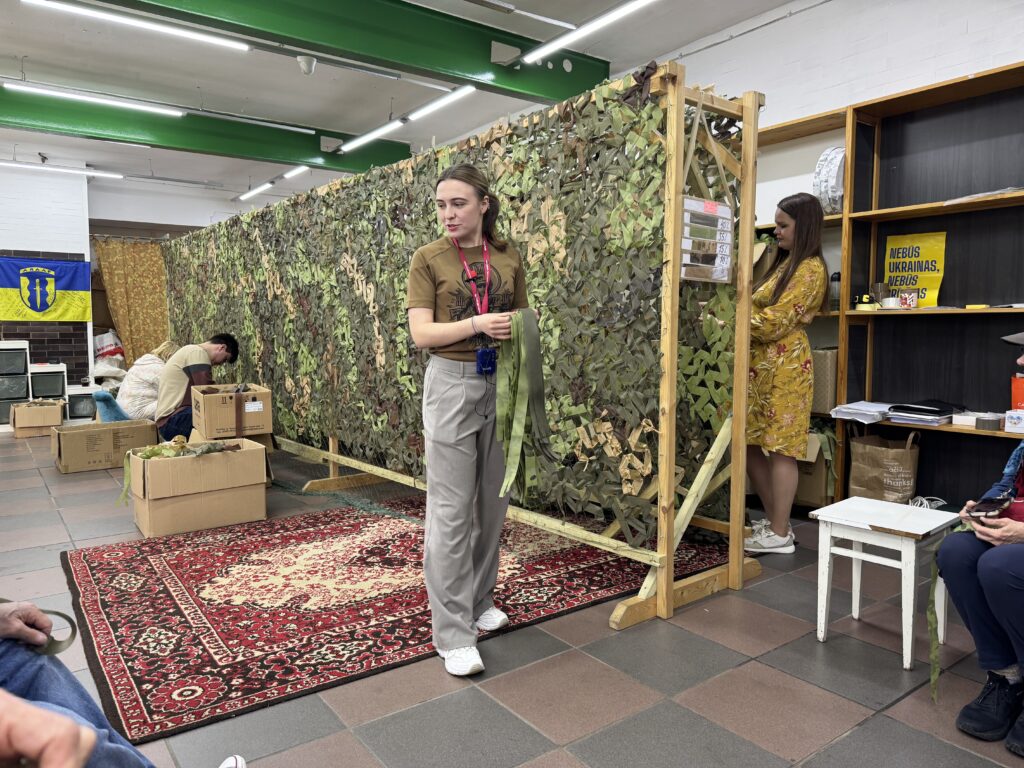
The more I learn about the Baltics, the more I feel the need to praise their resilience.
On to Estonia.