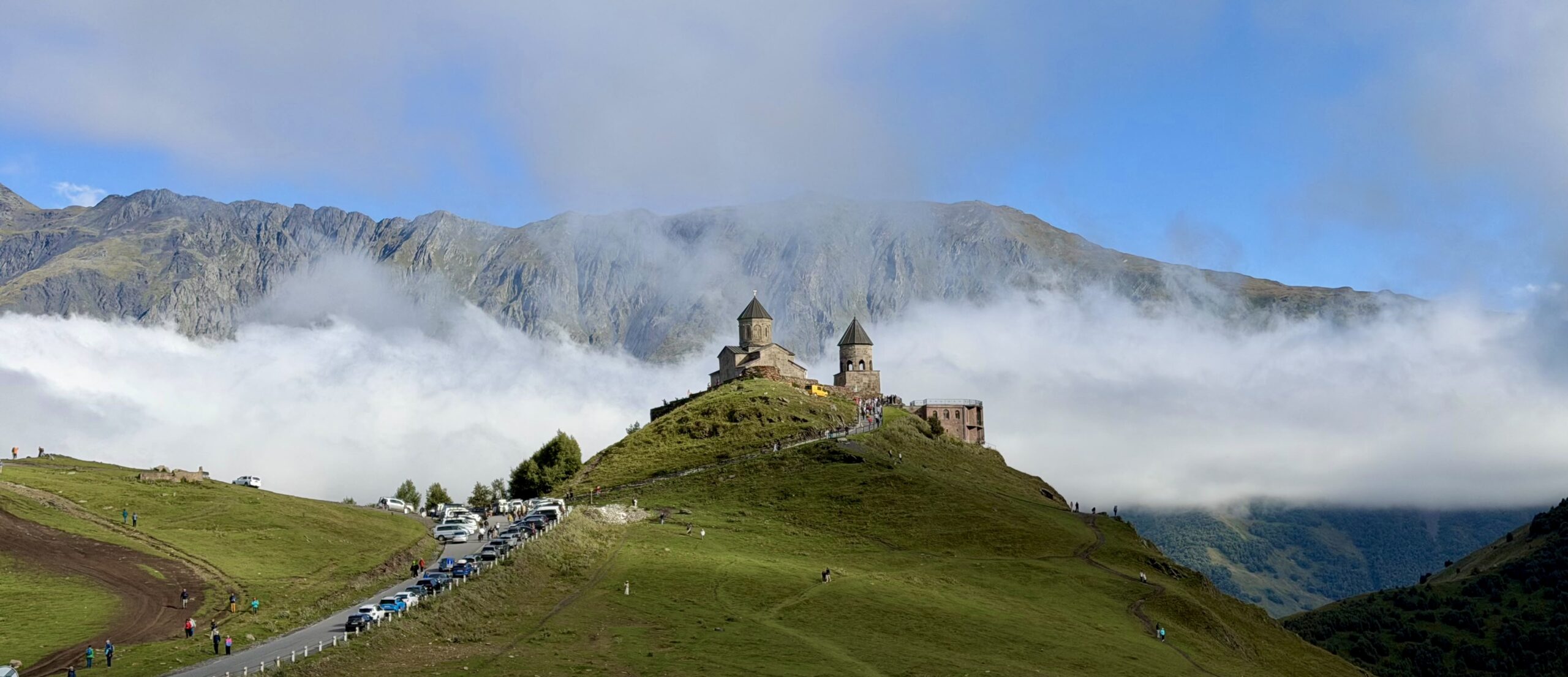
Tucked between Europe and Asia, Georgia’s spectacular, sometimes brutal landscape has acted as both a highway for invading superpowers and a fortress for a culture that has refused to die.
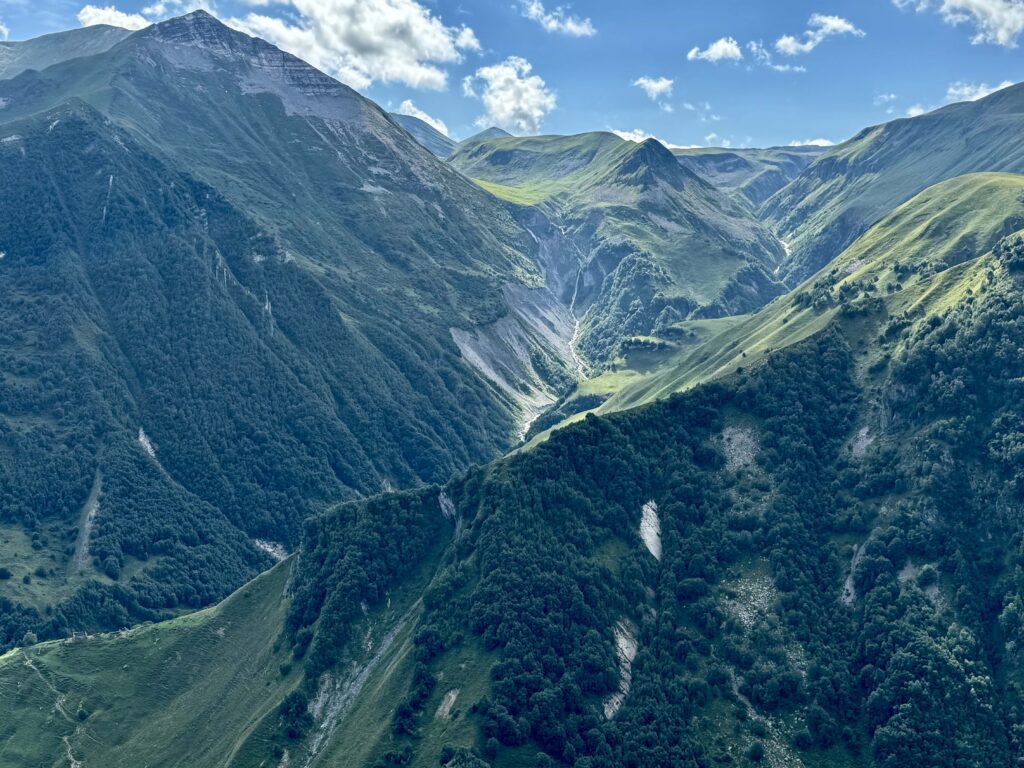
Millions of years ago, a massive, slow-motion collision took place as the northward movement of the Arabian plate crashed into the rigid Eurasian plate, closing ancient oceans and warping the earth into a dynamic, highly varied landmass. This violent geological birth divided the territory into two distinct mountain ranges.
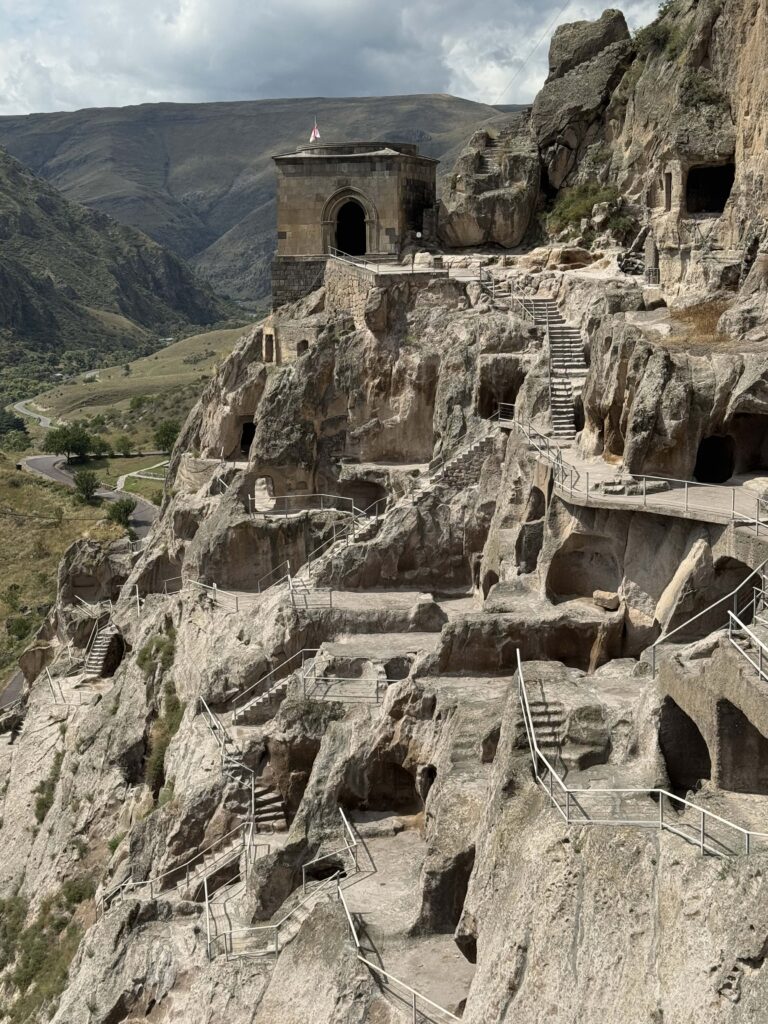
In the south, the older Lesser Caucasus range experienced extensive volcanic activity, creating a complex, undulating landscape where rich volcanic soil nourishes lush vineyards, agricultural fields, and immense forests. The soft rock composition offered the perfect medium for establishing secure dwellings and glorifying God. In southern Georgia, Orthodox monks carved out the magnificent cave monastery complex of Vardzia, which served as both a sanctuary and a fortress.
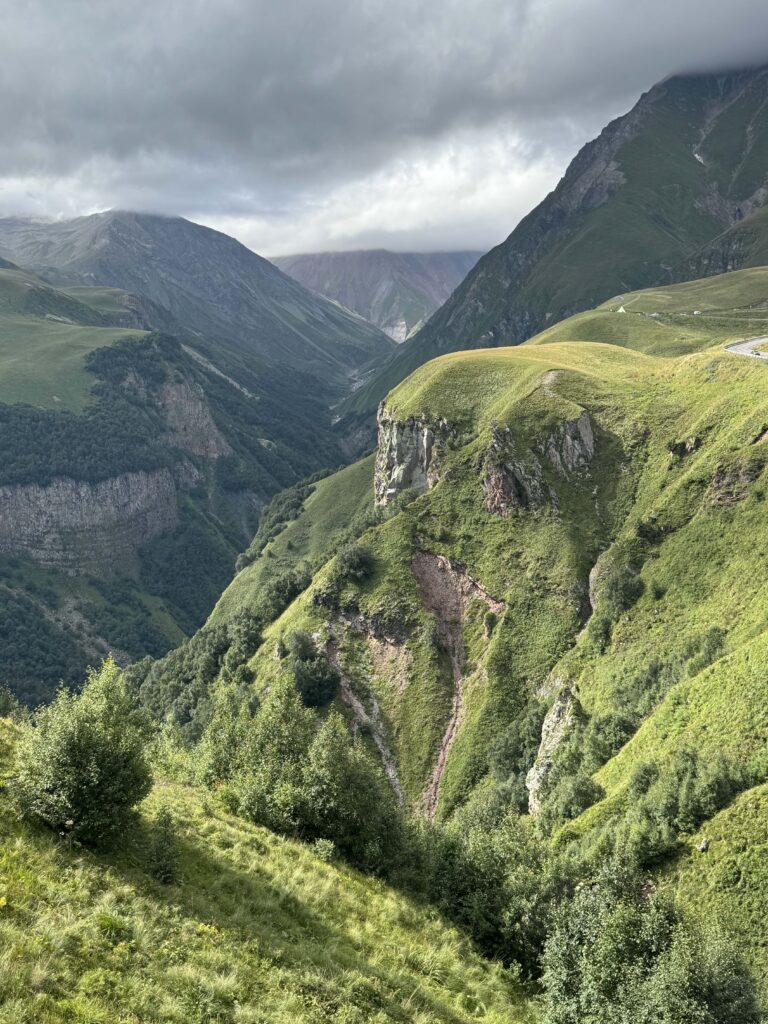
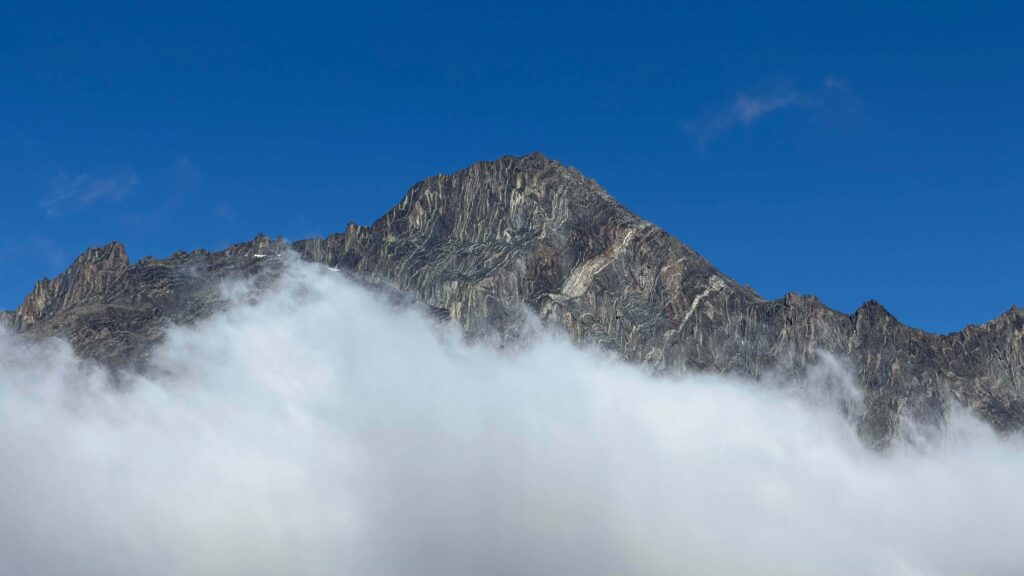
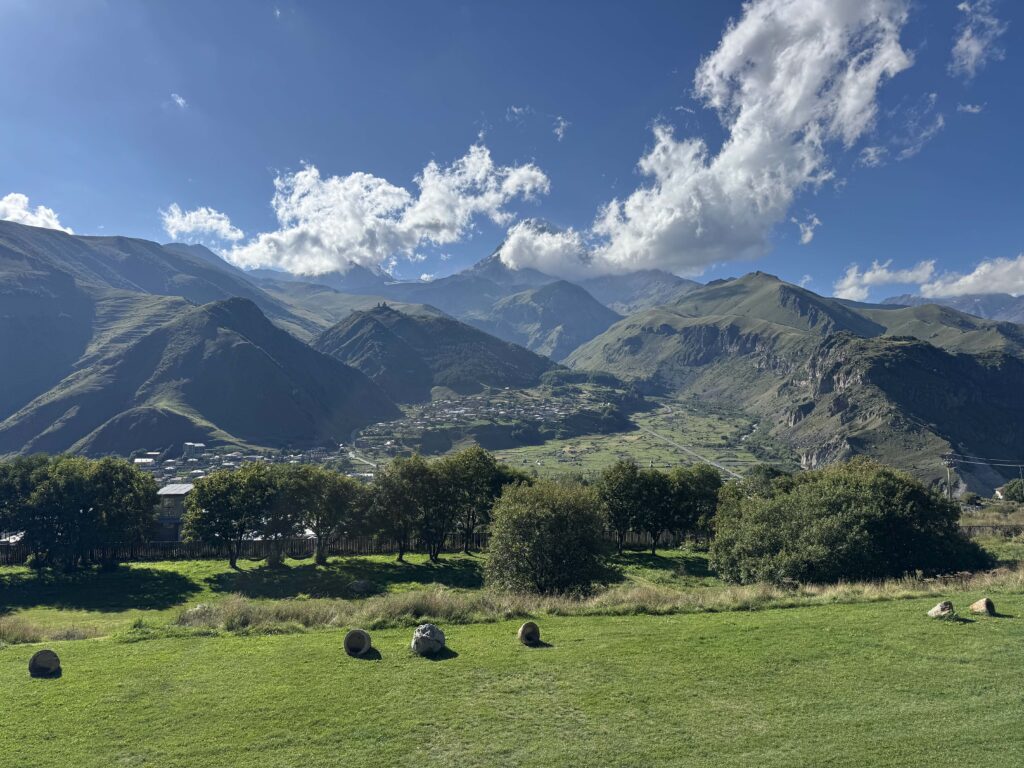
To the north, the Greater Caucasus runs from northwest to southeast, with sharp, rugged peaks frequently soaring past 15,000 to 17,000 feet. The last glacial age carved high-altitude tarns, knife-edged arêtes, elevated valleys, and nearly vertical rock walls. Around the Stepantsminda area, the towering rock formations are composed of ancient magma, granite, and basalt. Tectonic activity pushed these peaks over 11,000 feet into the sky, while successive ice ages gouged out deep, U-shaped valleys for powerful rivers to continuously erode.
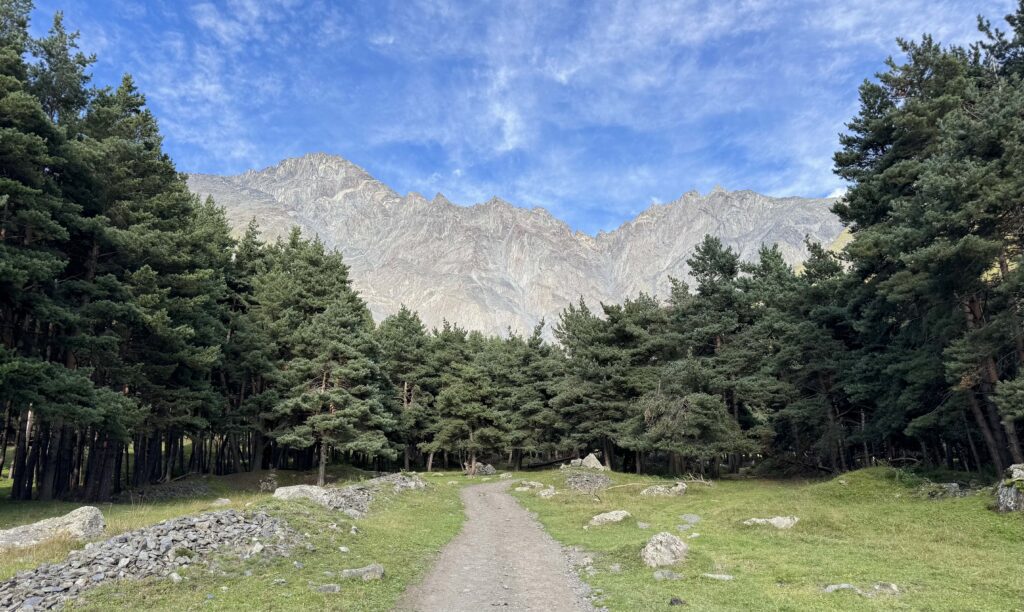
These towering walls created a formidable barrier with few natural passages. The Jvari Pass, sitting at 7,800 feet, became a vital transit corridor that has been used for over two millennia. The Roman author Pliny the Elder wrote about its treacherous nature as early as the 1st century AD. Both Roman legions and Persian armies traveled over the Jvari Pass, which eventually became an integral link on the northern route of the Silk Road.
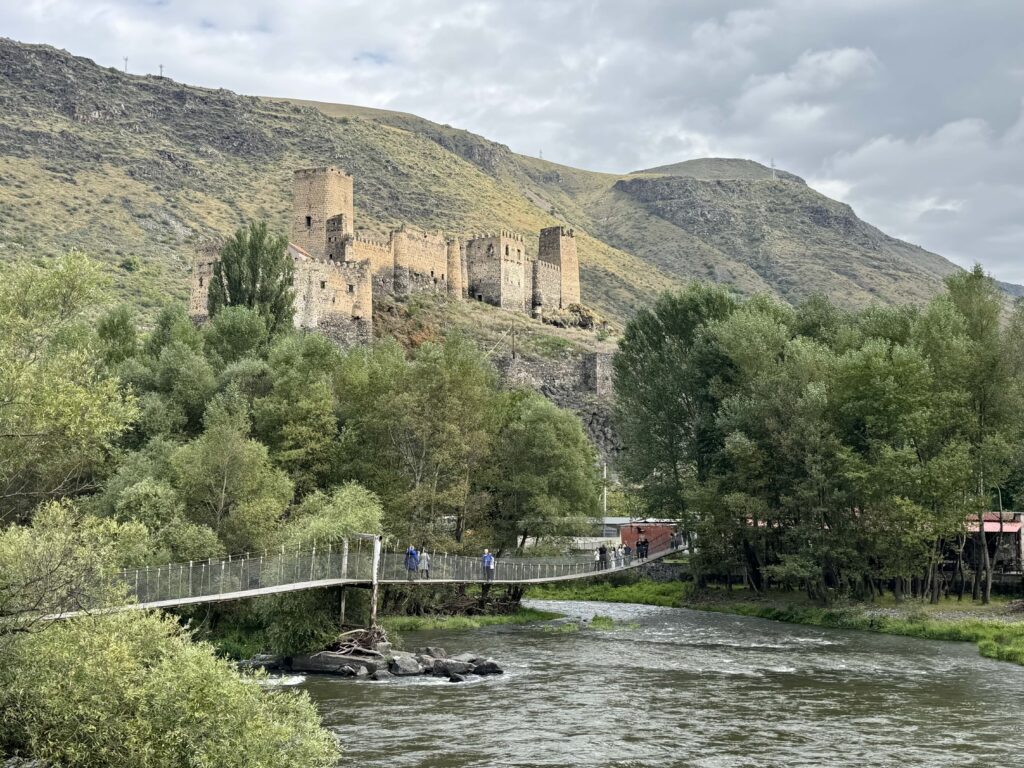
Prior to the 13th century, the Kingdom of Georgia enjoyed a golden age of powerful regional dominance. That era ended when initial Mongol raids in 1220 escalated into a full-scale invasion. By 1243, the Georgian kingdom was forced into submission under crushing terms: an annual tribute of 50,000 gold pieces and mandatory conscription into the Mongol army.
The kingdom fractured. Western Georgia managed to hold onto an isolated independence by retreating behind the natural barrier of the Likhi Mountain Range, while southern regional lords struck their own deals directly with the Khans, effectively seceding from the crown. Yet, amid the political collapse, the Mongol Empire’s policy of religious tolerance allowed the Georgian Orthodox Church to remain standing as the ultimate constant—a cultural shield guarding and maintaining the nation’s heritage.
Eventually, internal infighting destabilized the Mongol Ilkhanate. King George V, known as George the Splendid, capitalized on the chaos. He successfully reunited the country, expelled the Mongols, and re-established crucial international trade and diplomatic ties.
This resurgence was cut short at the end of his reign when the Black Death swept through the region, devastating the population and crippling the economy. A weakened Georgia was then ravaged by Tamerlane, the fierce Turco-Mongol conqueror, who launched eight brutal invasions that laid waste to Georgia’s cities, churches, and agricultural fields.
Once again, Georgia fractured, this time transforming into a proxy battleground for two competing superpowers. The Ottoman Empire dominated the west and the Safavid Empire of Persia controlled the east. Both empires ruled with absolute tyranny; in the 17th century, Safavid Persia massacred and forcibly deported over 100,000 Georgians, while the Ottomans captured children and enslaved women for the harems of their nobility.
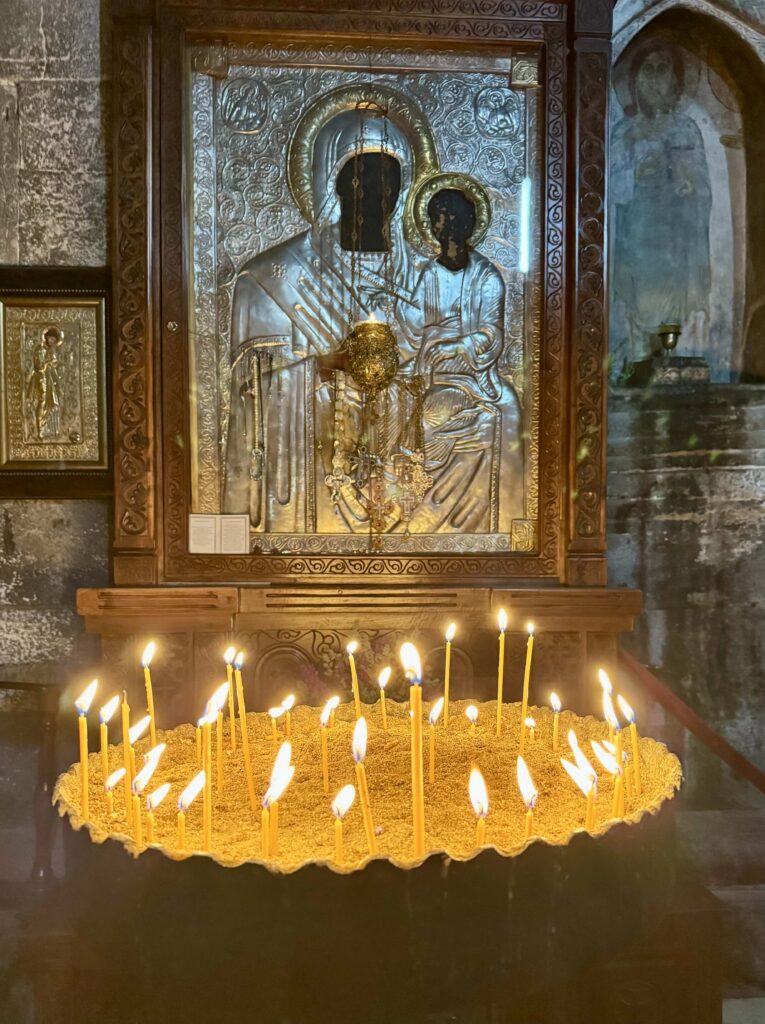
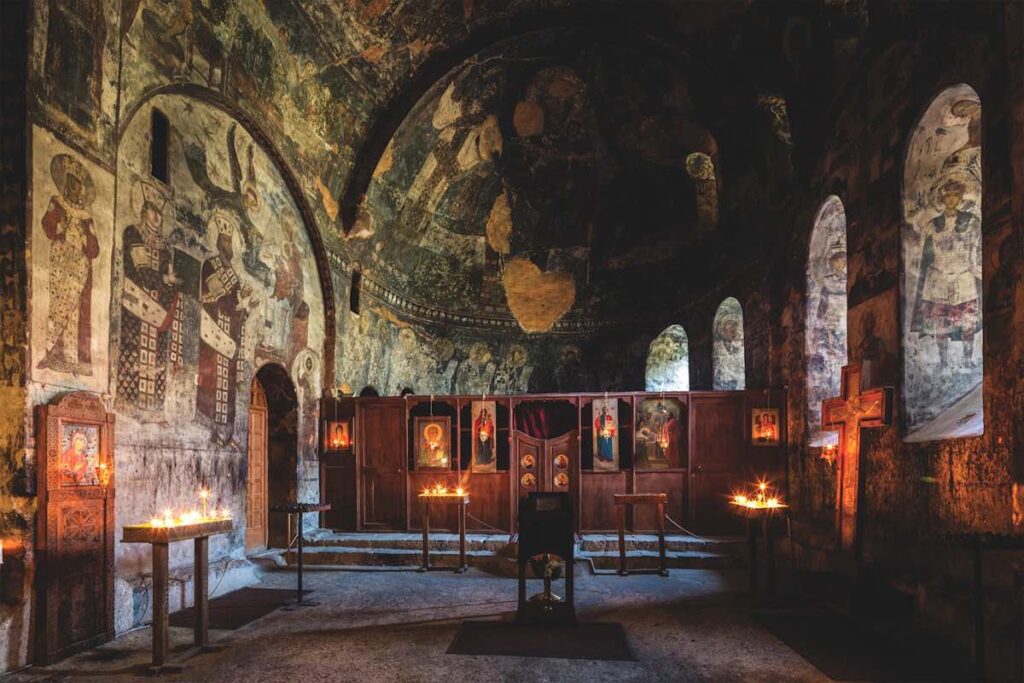
Against this backdrop, the unique Georgian script, Christian religion, and rich cultural traditions endured, kept alive in the safety of remote, high-altitude monasteries. Battered and exhausted by the end of the 1600s, Georgia saw hope and a potential ally to the north. A nascent Christian empire was rising in Russia, promising potential deliverance from centuries of Islamic domination.